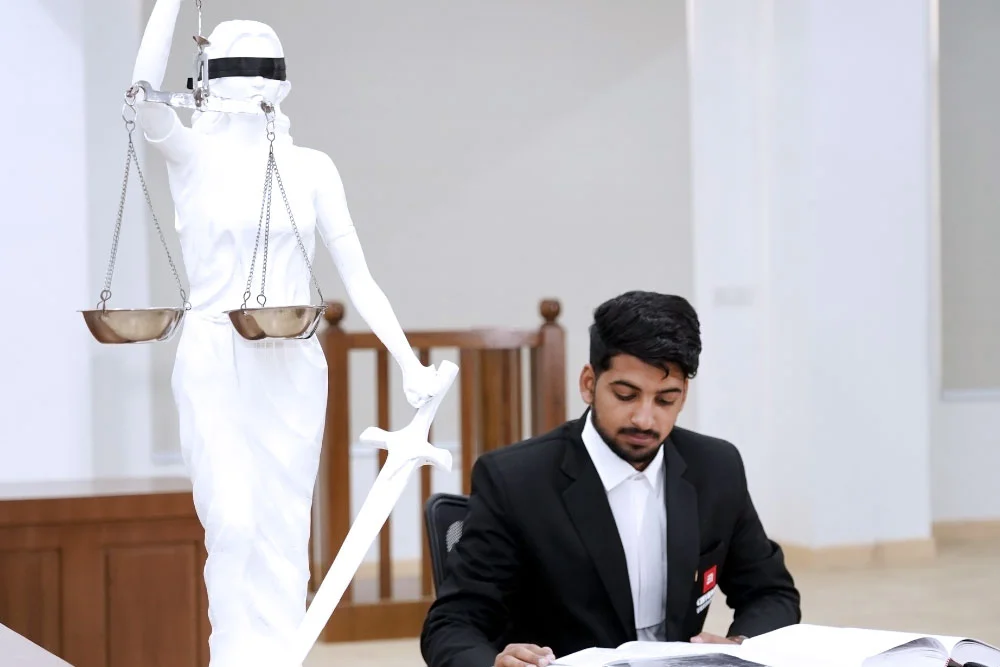



Mediation is a structured, confidential, and party-centric process of Alternative Dispute Resolution (ADR) in which an independent and impartial third party, known as a mediator, assists disputing parties in resolving conflicts through guided communication and principled negotiation. The process is designed to enable parties to engage constructively, clarify issues, and explore mutually acceptable solutions in a cooperative and non-adversarial environment.Unlike litigation or arbitration, mediation is voluntary and non-binding in nature. The mediator does not adjudicate the dispute, impose a decision, or determine rights and liabilities. Instead, the mediator facilitates dialogue, promotes mutual understanding, and helps parties identify their underlying interests, concerns, and priorities. Through the use of specialised negotiation and conflict-resolution techniques, the mediator supports the parties in crafting solutions that are practical, balanced, and acceptable to all involved.
Mediation is characterised by flexibility and confidentiality, allowing parties to tailor the process to their specific needs while ensuring that communications and settlement discussions remain protected from disclosure. This confidentiality encourages openness and candid participation, which is often critical to achieving meaningful and lasting resolutions.The mediation process is particularly effective in disputes where the preservation of relationships is important, including family matters, employment disputes, partnership conflicts, commercial relationships, and institutional disagreements. By focusing on collaboration rather than confrontation, mediation empowers parties to retain control over the outcome, reduce costs and delays, and achieve solutions that are forward-looking and relationship-oriented.In essence, mediation provides a dignified, efficient, and solution-driven pathway to dispute resolution—enabling parties to resolve conflicts with autonomy, mutual respect, and legal confidence.